MRF Screening Stars & Discs

Home » Products » MRF Screening Stars & Discs

Quality + Experience + Excellence

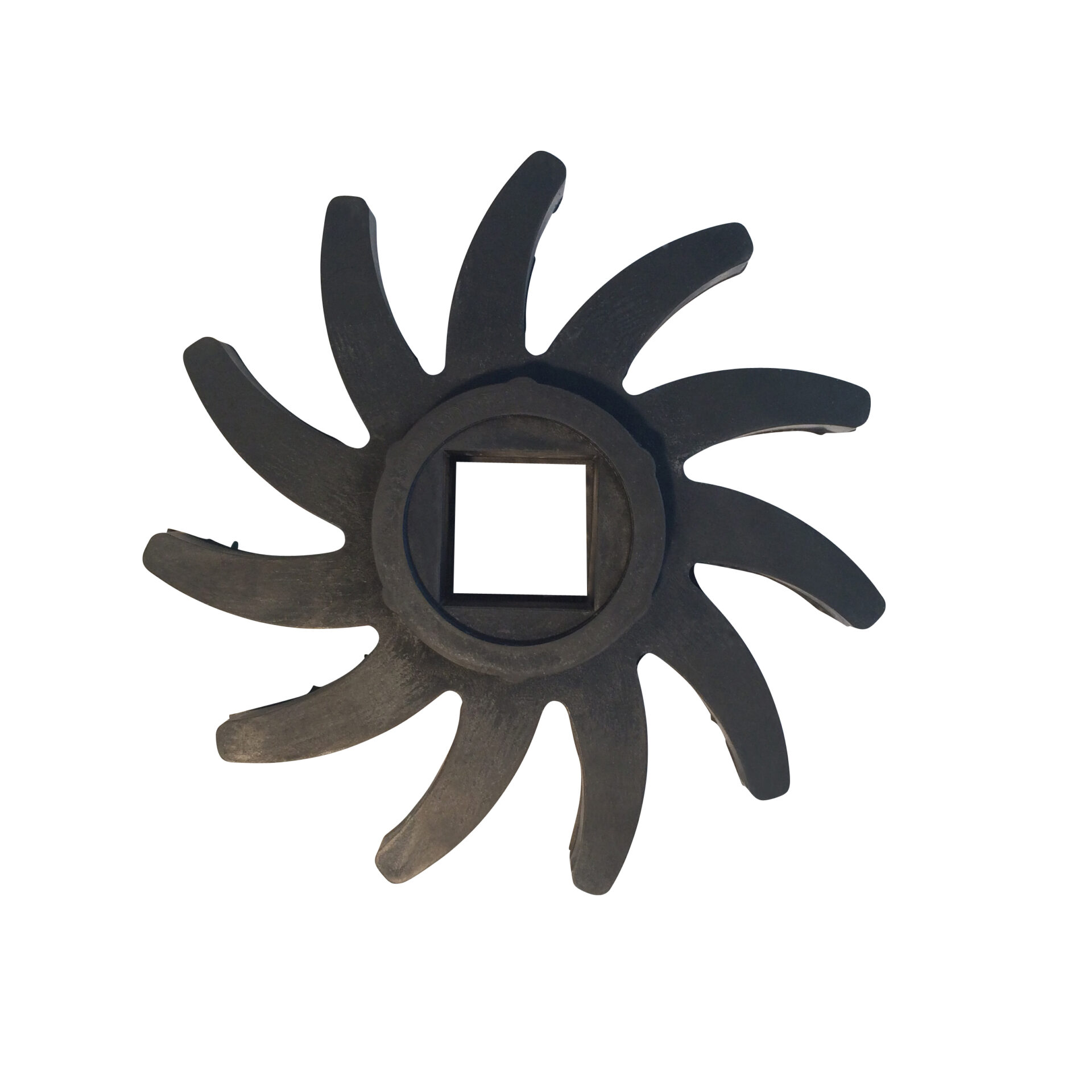
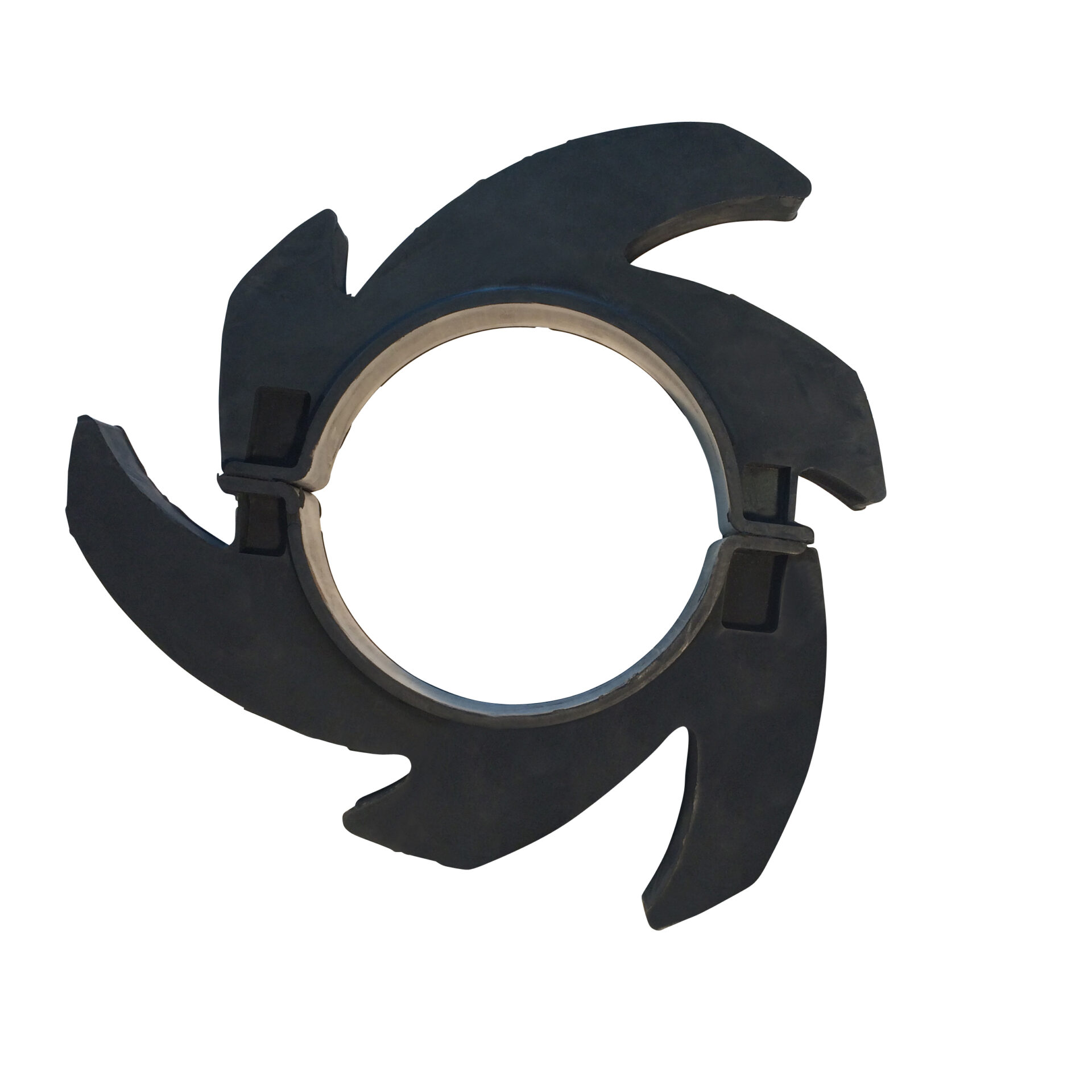
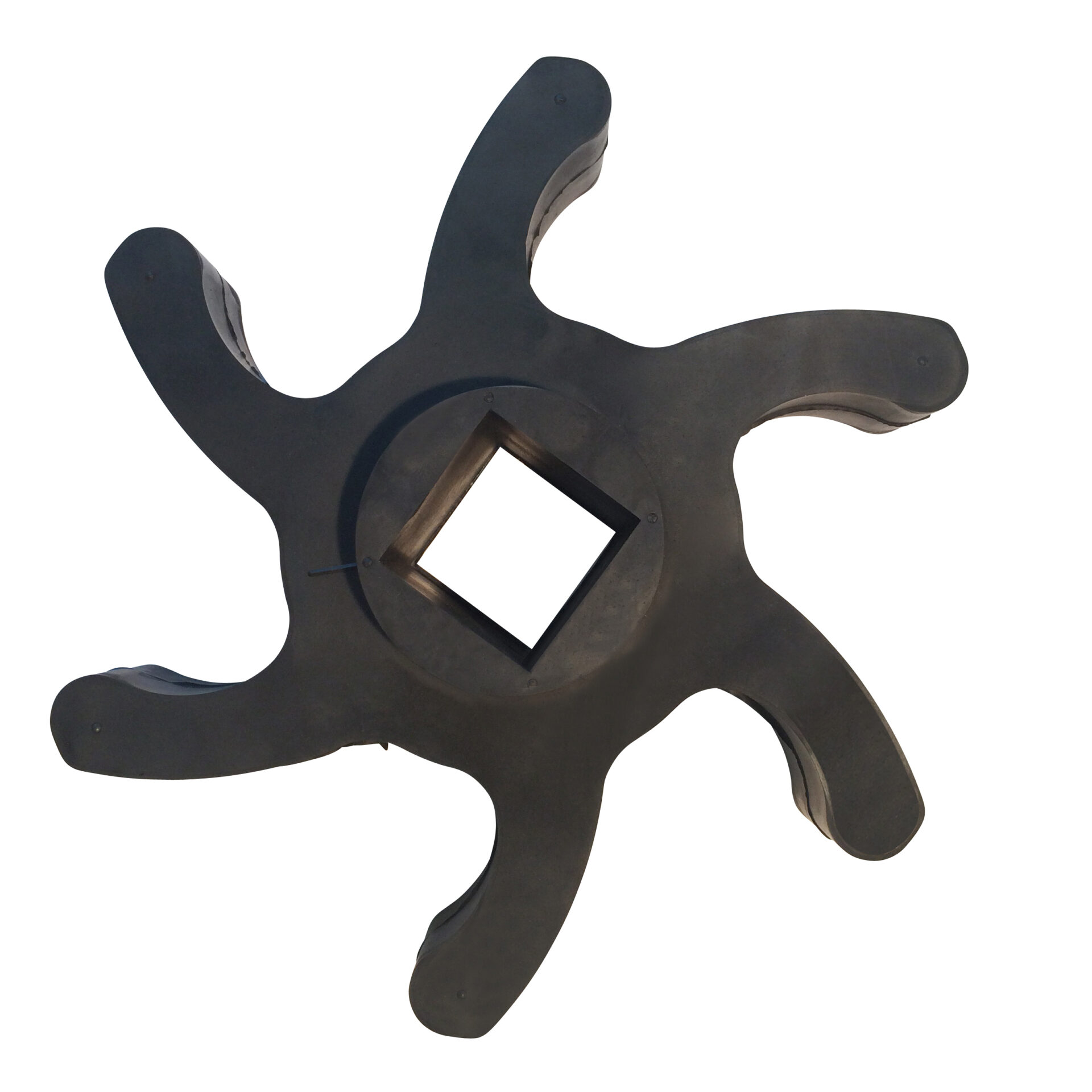
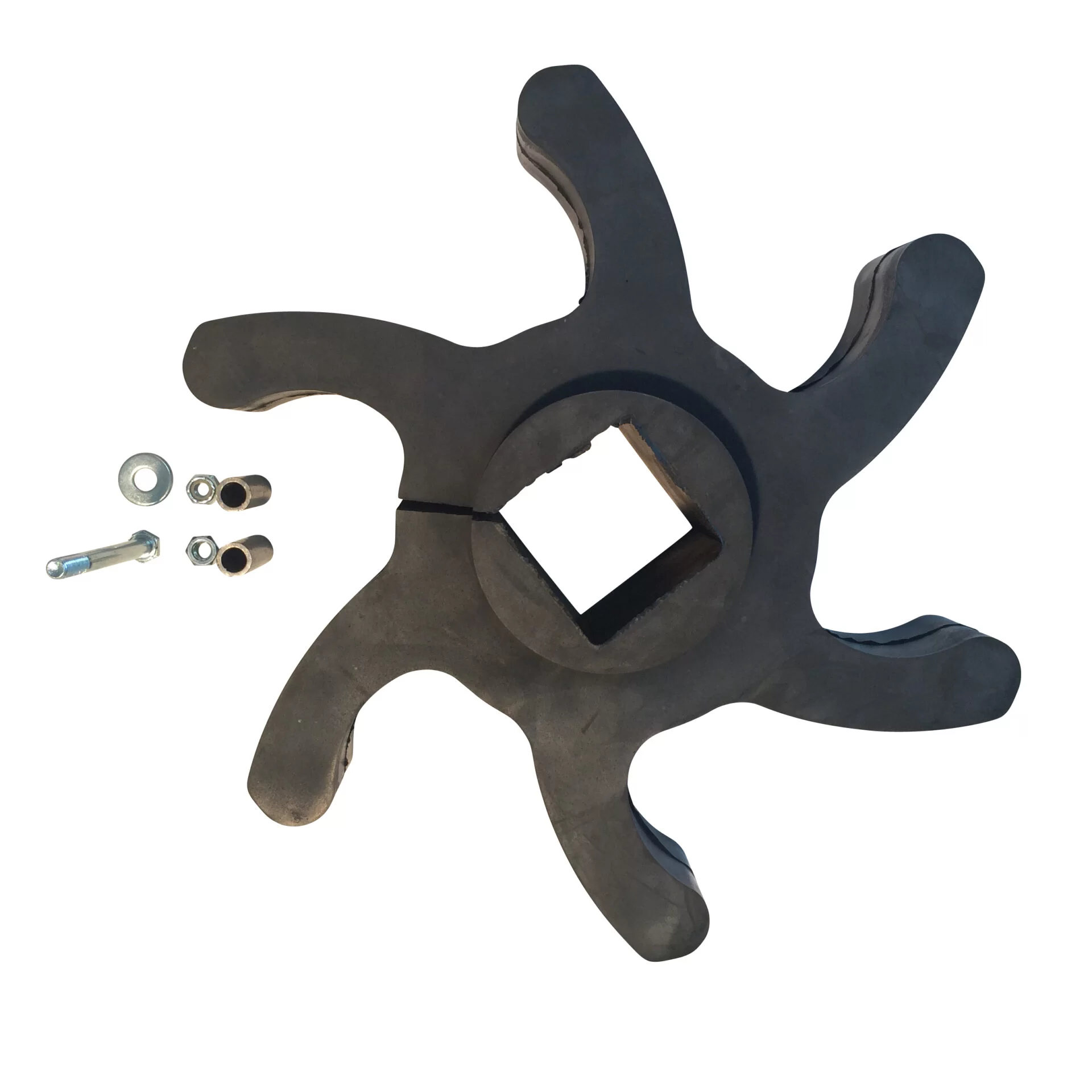
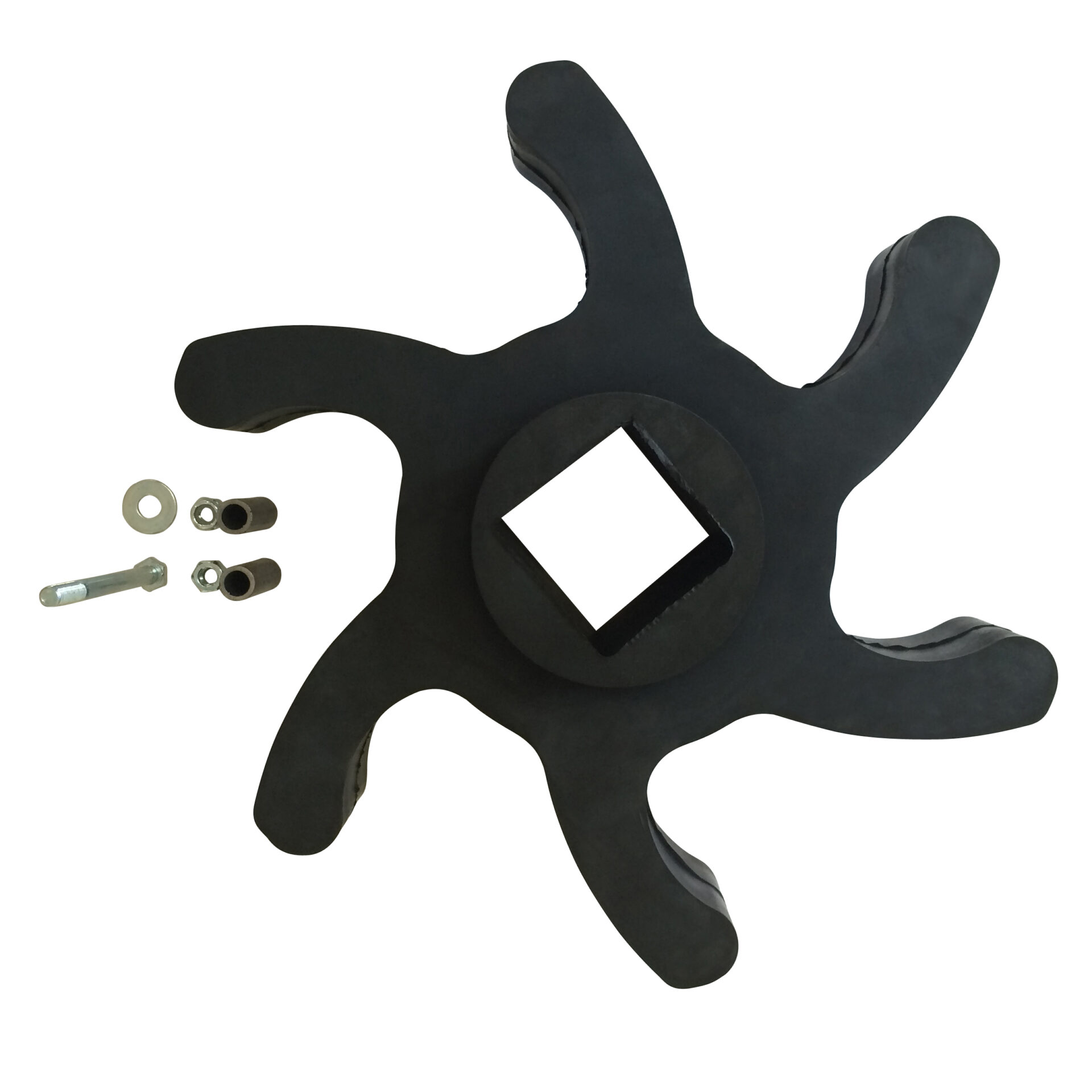
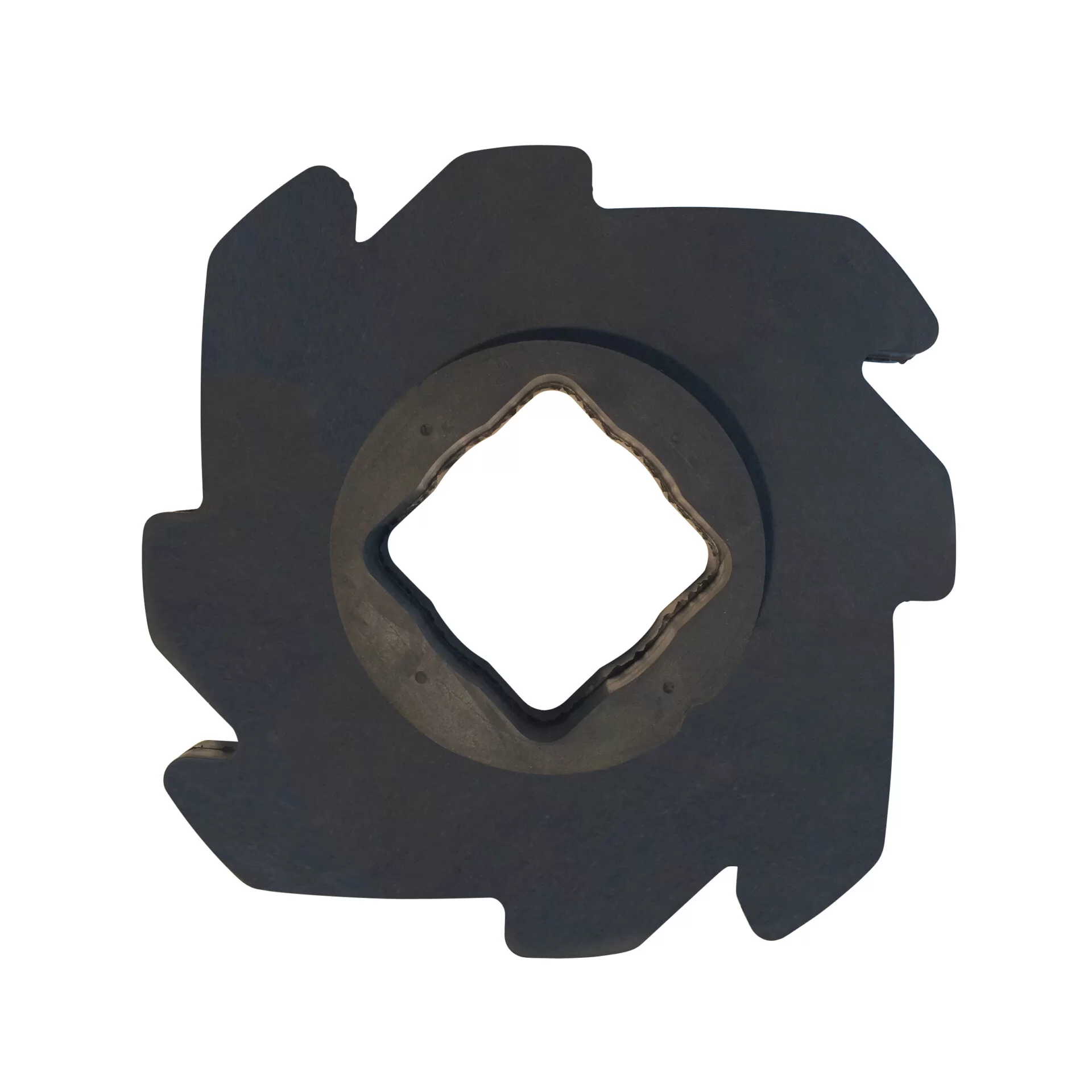
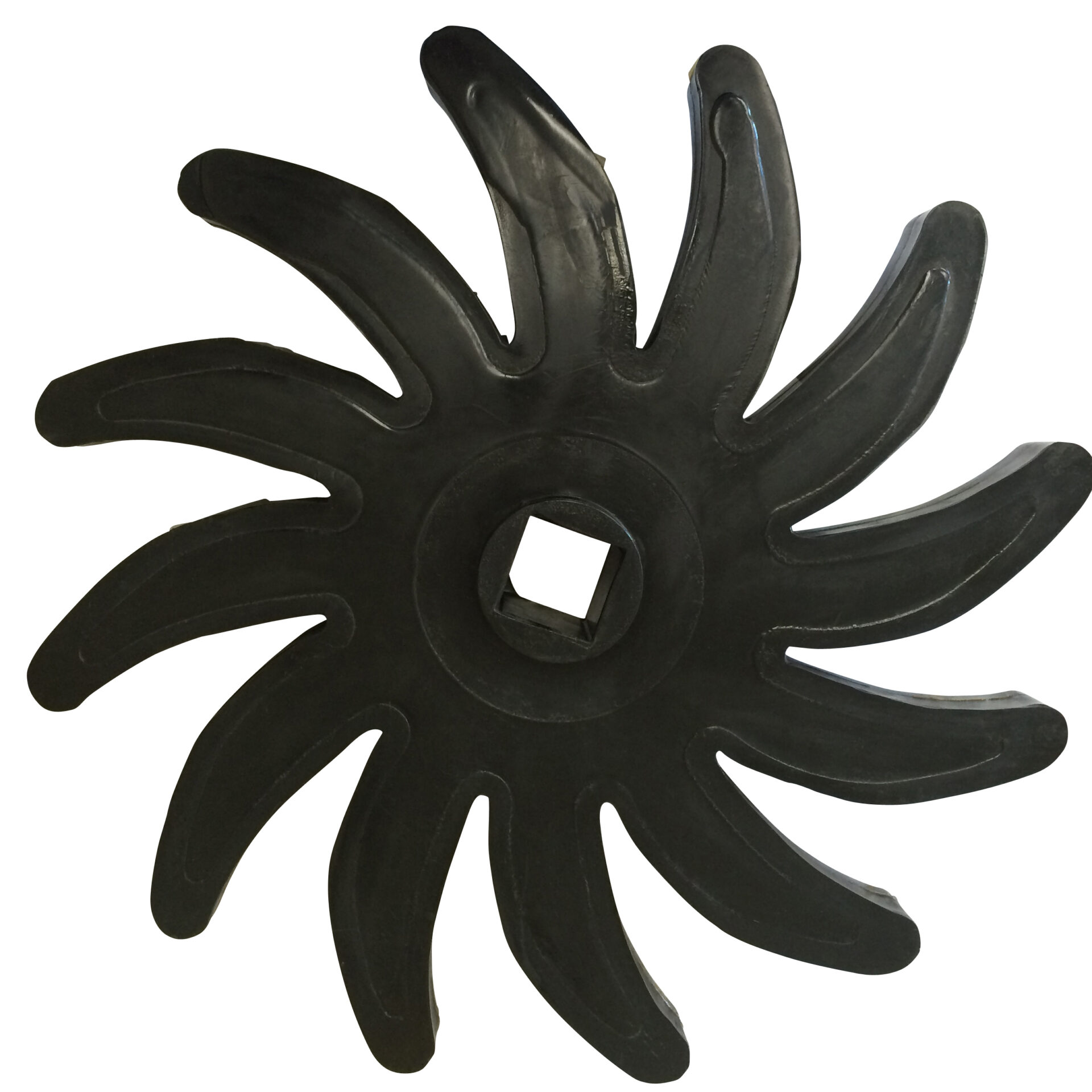
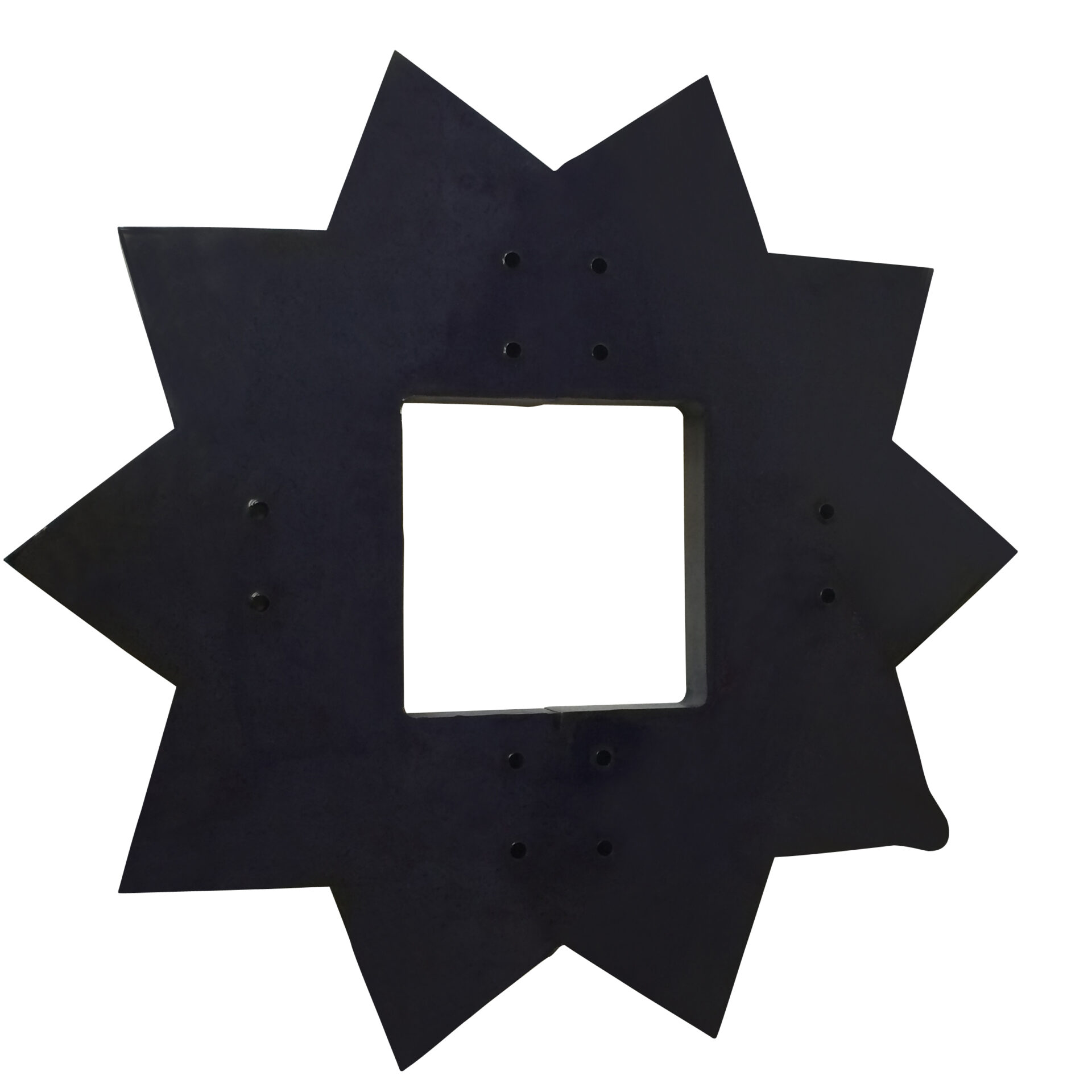
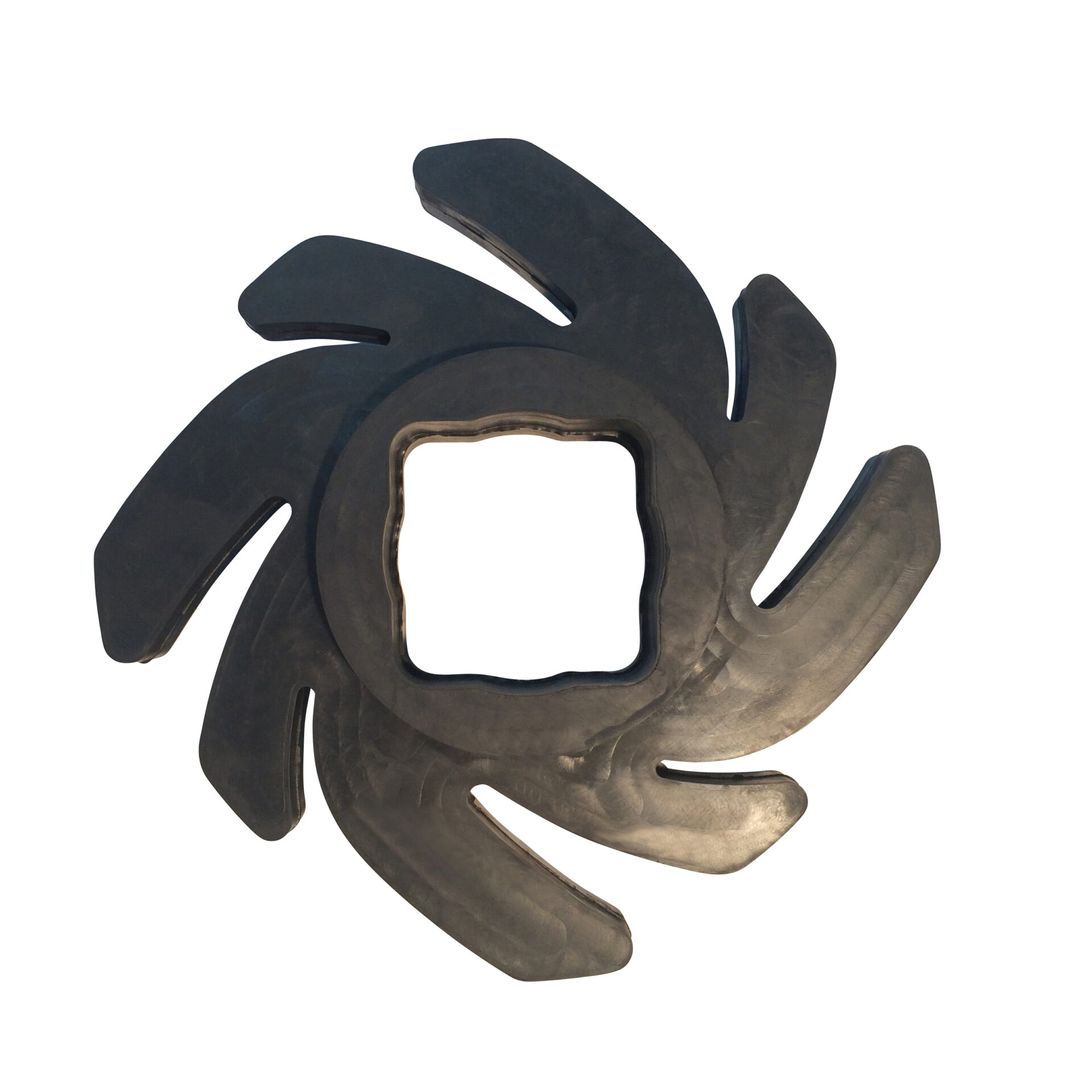
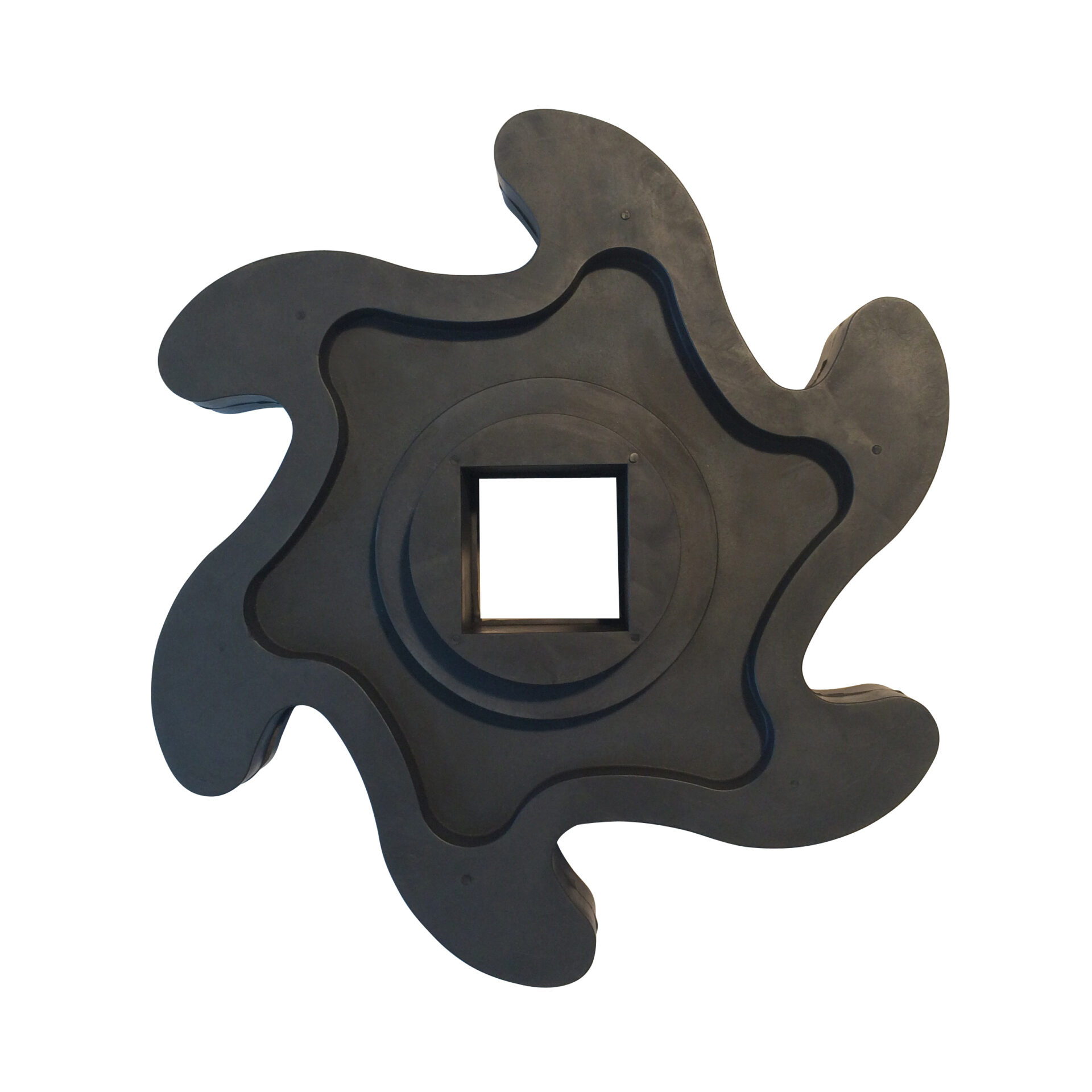
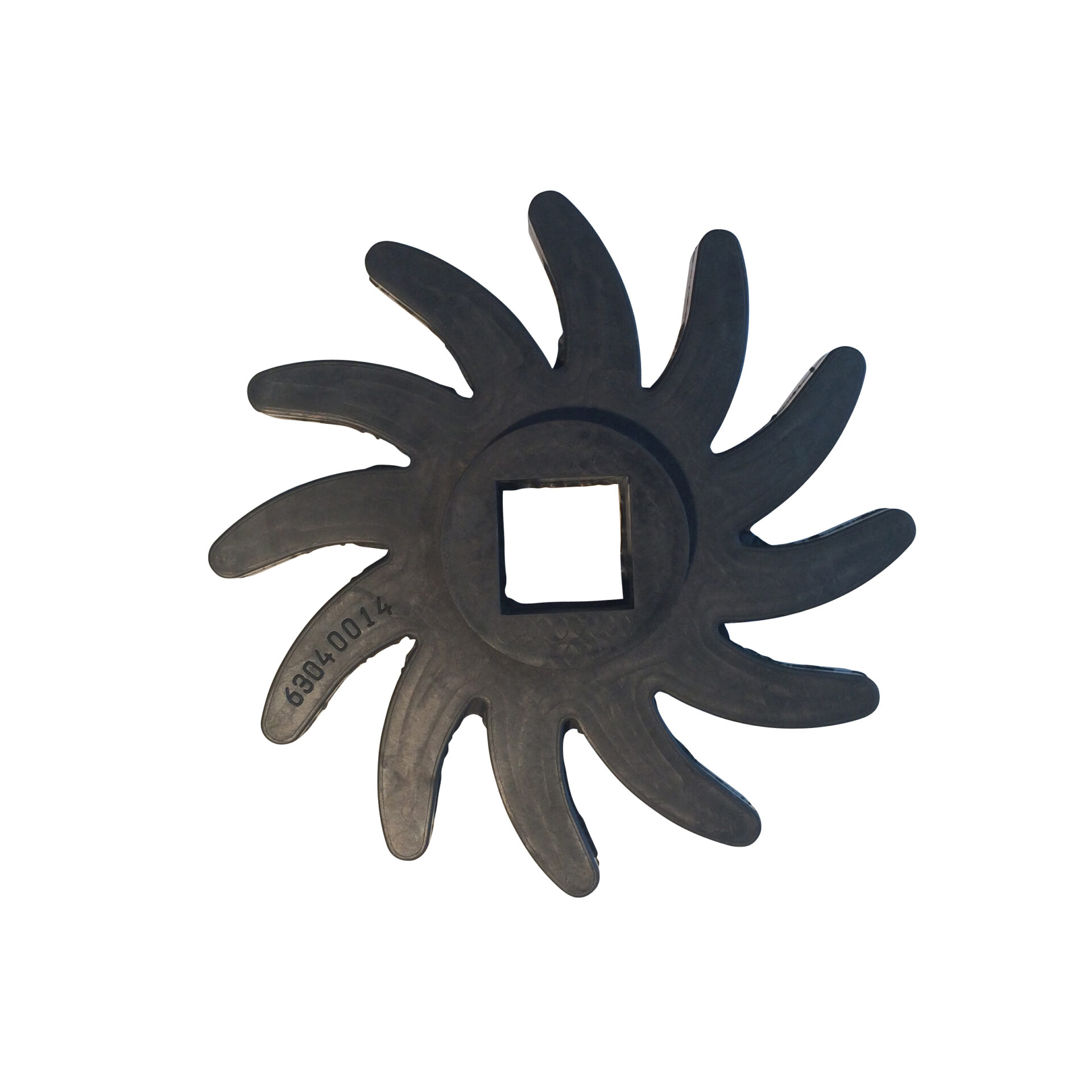
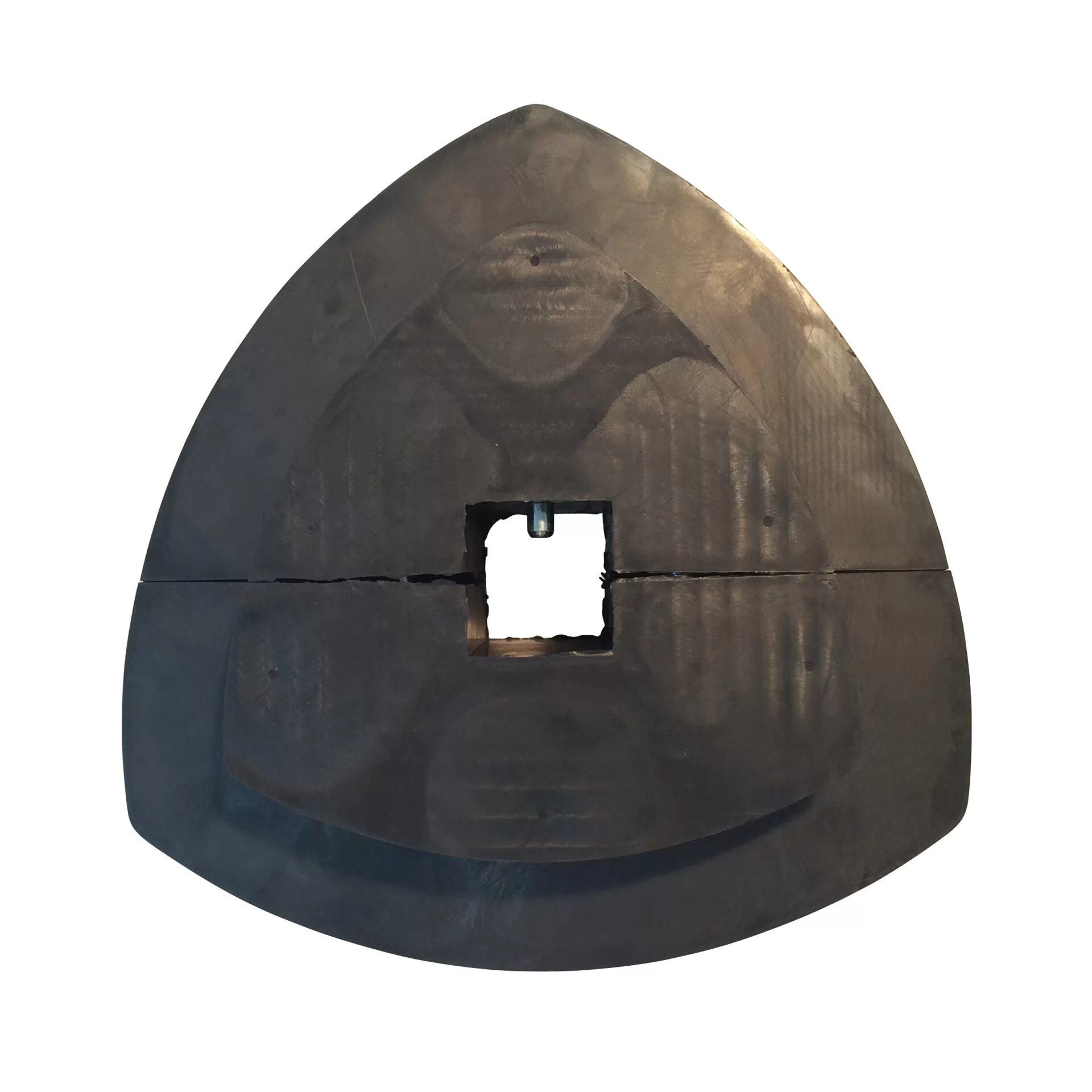
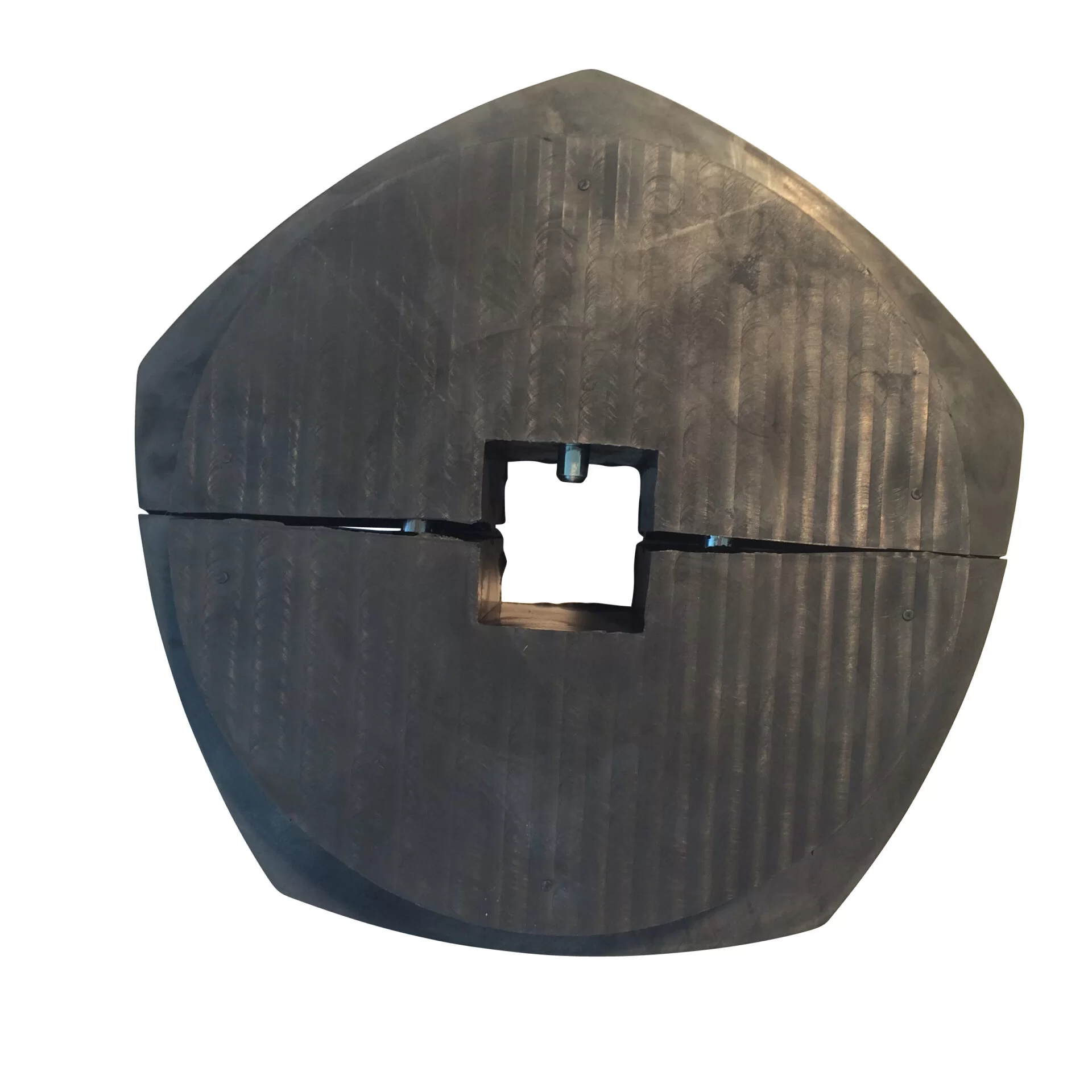
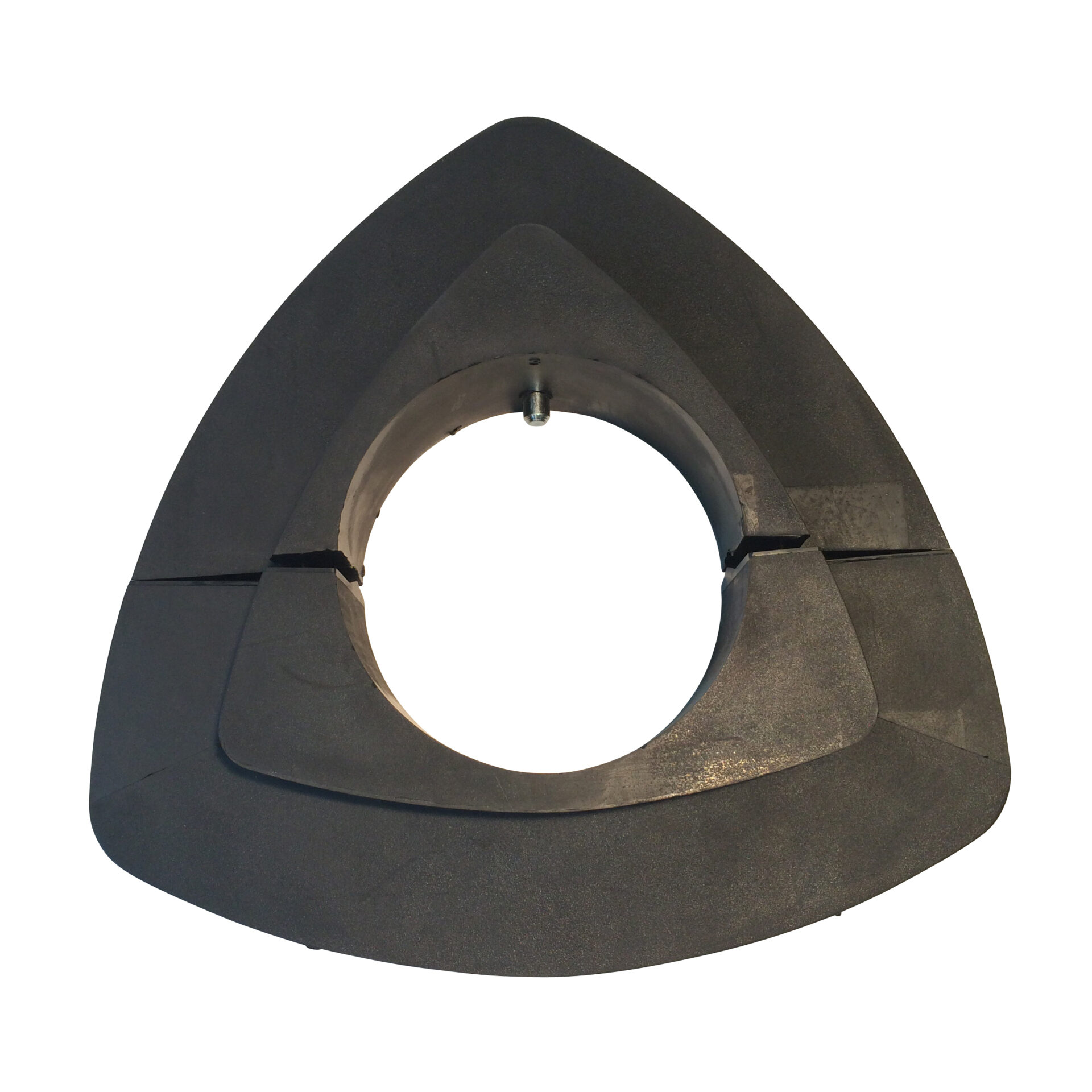
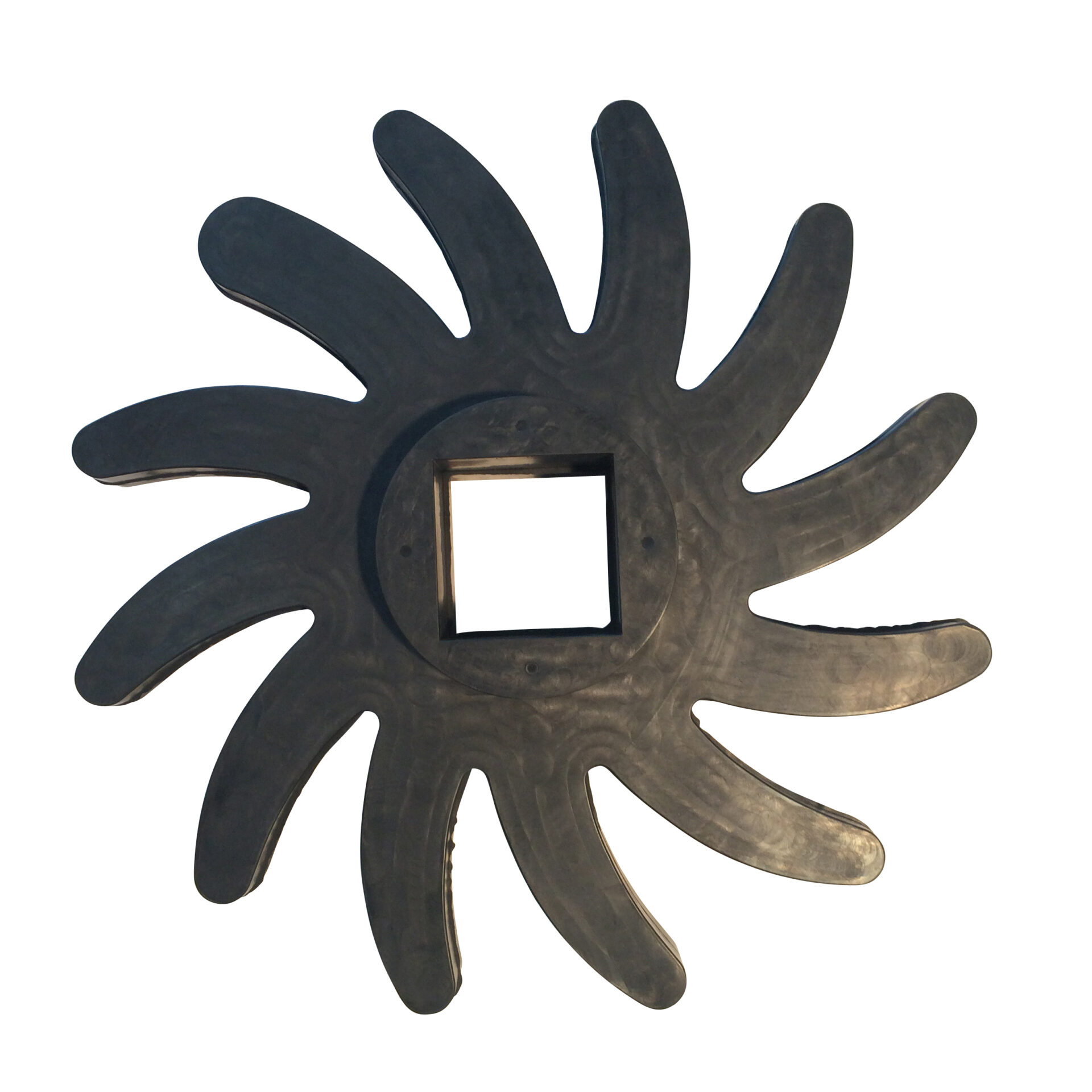
Hoverdale offers rubber and polyurethane replacement recycling discs, stars, and screens for single stream and C&D sorters. For over 50 years Hoverdale has been manufacturing & delivering quality products to our customers. We make 30 distinct shapes , sizes, and styles of recycling stars & discs, supplying a range of MRF plant across the UK and Europe.

Committed & Competitive

We offer highly competitive prices and a commitment to building beneficial relationships with our customers. We manufacture high quality, competitively price-priced recycling starts & discs for recycling machines such as Lubo/Bollegraaf and Machinex among others. We make the same part with better quality for up to 30% less than the OEM.

The Capabilities to Meet Your Demand

At Hoverdale, we have the experiences and the technical expertise to meet your requirements. As a company we never stand still. Looking to constantly improve through our lead manufacturing processes and dedicated workforce. We see ourselves as extensions to our customer teams.

Our Offer To You

Operating a bulk material handling plant is an expensive business made more difficult by excessive down time and costly maintenance. It is important that the best possible equipment and materials are used to minimise these difficulties which is where Hoverdale’s area of experience lays.

In Every Case, We Enable Customers to:

  • Reduce downtime due to unscheduled break downs
  • Save on equipment cost & renewal costs
  • Save man hours on maintenance
  • Minimising & eliminating lost production
  • Increase their bottom line by achieving savings in all of the above

Frequently Asked Questions

1. What are MRF screening stars and discs?
MRF screening stars and discs are wear components used inside recycling screening systems to separate materials by size, shape and flow behaviour. They are commonly fitted to shafts within star screens and disc screens, where they help move material across the deck while allowing smaller fractions to fall through at controlled screen openings.
Screening stars are mounted on rotating shafts and create moving gaps between each star. As mixed waste passes over them, larger items are carried forward while smaller material drops through the openings below. The screening result is influenced by the star size, the spacing between stars and the rotational speed of the shafts.
Screening stars generally use shaped rubber or polyurethane elements that help agitate and move material while screening by size. Screening discs are also mounted on shafts, but the disc geometry and shaft arrangement are often tuned for specific separation duties, including coarse screening, 2D/3D separation or fines removal. The right choice depends on the machine design and waste stream.
Screening stars and discs are commonly made from rubber or polyurethane, depending on the application, wear demands and machine design. Both materials are widely used in recycling systems because they can provide the flexibility, resilience and durability needed for repeated contact with mixed waste, abrasive fines and high-throughput sorting conditions.
Different shapes and sizes are needed because waste streams behave differently and screening systems are built for specific separation tasks. Paper, plastics, glass, construction waste and mixed recyclables do not move through a screen in the same way. Star diameter, profile, spacing and material all affect the cut size, movement, agitation and overall screening efficiency.
These components are commonly used in material recovery facilities handling single-stream recycling, construction and demolition waste, and other screening applications where material needs to be separated quickly and consistently. They are especially relevant in plants that rely on star screens or disc screens to sort mixed streams before downstream processes such as optical sorting, manual picking or further size classification.
Screening stars play a major role in how accurately and consistently a plant separates material. When the correct stars are fitted and in good condition, they help maintain the intended screen opening, material flow and sorting efficiency. In an MRF, that can improve product purity, reduce lost material and support better performance further down the line.
Disc screens are widely used to help separate flatter 2D materials, such as paper and fibre, from 3D containers and mixed rigid items. As the material moves over the rotating discs, the screen geometry and agitation help flat items travel differently from containers, improving the liberation of fibre and making downstream sorting more accurate.
Wear usually comes from constant contact with abrasive material, repeated flexing, impact loading and long operating hours. Over time, the working edges can round off, the material can harden or degrade, and screening performance can become less consistent. In busy MRF environments, these parts are consumable items and will normally need planned replacement as part of routine maintenance.
Typical signs include poorer separation quality, reduced flexibility, visible wear on the working edges, harder rubber, increased carry-over of the wrong material fraction or more frequent maintenance intervention. When the stars no longer hold the intended screening cut or material flow, the whole line can become less efficient, so replacement is often justified before complete failure occurs.
Yes, replacement stars and discs are commonly produced in multiple shapes, sizes and styles to suit different makes of recycling machinery. The market includes components designed for a wide range of screening plants, and manufacturers often supply parts intended to match major OEM systems where the goal is to restore performance without replacing the complete machine.
Yes, because the shafts, bearings, fixings and drive components all affect how the screen performs. Even with good stars or discs, worn shafts or damaged supporting parts can lead to poor alignment, failures, extra downtime or reduced service life. In many plants, screening performance depends on the condition of the full rotating assembly, not just the wear parts alone.
Wrapping and plugging can reduce screening efficiency, increase cleaning time and cause unscheduled stoppages. Films, fibres and awkward materials can build around rotating parts if the screen design or opening arrangement is not suited to the waste stream. In high-volume MRF operations, reducing wrap is important because it helps keep uptime high and maintenance demands lower.
The opening created by the stars or discs determines which material passes through and which material is carried onward. If the spacing, star size or rotor arrangement is wrong for the application, separation quality can suffer and the wrong fractions may be lost or contaminated. Accurate sizing is essential for consistent screening performance and reliable downstream sorting.
It helps to provide the machine make and model, part number if known, star or disc dimensions, material type, shaft details, quantity required and the waste stream being processed. Photos of the existing part and information about the screening duty can also help, because correct matching depends on both physical fit and the separation task the plant needs to achieve.

Can We Help?

We would like to offer you a free site survey with a report and recommendations. We offer a pro rata payment plan where if you accept our recommendation you only pay the full price when we achieve our promised results.

We can work with you to achieve the planned maintenance program by making components last longer by the strategic use of hard metals/ceramics.

MATT BEVERLEY

A time served Mechanical engineer Matt’s background includes many high-profile projects within the Automotive Industry: The Rolls Royce Phantom, Rolls Royce Cullinan, Spyker Le-Mans racing teams, Bentley, Aston Martin, and Airbus A380. This history and knowledge of complex manufacturing and engineering projects have been transferred and further developed into the bulk material handling sector. Matt has work in Europe, North America, Indonesia, and China

He joined the bulk solids and bulk handling industry in 2019 as Managing Director of Hoverdale UK Ltd and subsequently completed a Management buyout in July 2020. The business has grown yearly, increased employment, its customer base, and worldwide reputation, and disrupted the market with groundbreaking innovative technology. Since Matt took over Hoverdale, the company has filed four patents for innovation; one was granted in 2023 for a design to improve bulk handling. The success had been driven by delivering tailored solutions to the waste recycling sectors that keep material flowing out and money flowing in.

Awards Include

  • 2024 – Shapa company of the Year
  • 2024- Shapa Innovation in Technology
  • 2024- MHEA Engineer of the year
  • 2021 – MHEA Innovation of the year
  • 2021- IMechE Innovation award

Current Positions Include.

  • Group Chairman Hoverdale UK Ltd
  • President (MHEA) Material Handling Engineers Association
  • Vice Chairman: IMechE Bulk Material Handling Committee
  • Council Member: (SHAPA) Solids Handling & Particle Association
  • Member: Chartered Management Institute

Matt has been happily married to Julie for 22 years and has 4 children, 3 of which are involved within the Hoverdale group of companies. He is an RFU level 2 qualified coach and referee having been in several head coaching roles at various age groups from under 6’s to adults for his local team Nuneaton RFC. He believes in the core values that rugby teaches of Teamwork, Respect, Enjoyment, Discipline, Sportsmanship and try’s to carry this through in his day to day business activities. He is passionate at brining the next generation of young, diverse engineers into the sector through promotion of apprenticeship scheme and further education routes.

DAVID BARTER

David is an experienced leader, with a background covering Operations, eCommerce, Finance, Compliance, HR and IT. His career spans Banking, Retail and Engineering, spending the majority of his career working for ALDI as they grew to become 4th largest supermarket in the UK, including seven years on their UK board as Managing Director of IT and eCommerce.

David joined Hoverdale’s Senior Management Team in 2023 to seek a fresh challenge in a completely different industry sector. He has applied his approach to Process Improvement, Efficiency, Customer Service and Teamwork to great effect during Hoverdale’s sustained growth.

Married to Jane, with three adult sons between them, David volunteers on the board of the Nottingham Playhouse theatre as well as his local rugby and football clubs. Any spare time he spends enjoying walks with their Golden Retriever, Buzz, who is also regularly seen in the Hoverdale office.

BEN DUCHESNE

Ben is a time serviced field service engineer in the busy waste and recycling sector, who’s career moved into to managing service teams and beyond. Originally beginning his career with a HGV repair and maintenance apprenticeship with IVECO, from there travelling and working in multiple countries moving towards waste processing shredders.

Ben joined the Hoverdale team in September 2024 seeking to apply his extensive knowledge to a new area. His values and ethics fit perfectly within the Hoverdale ethos.

He is happily married to Kristina, with 4 wonderful young children; 14, 11, 8 and 5. We the children he doesn’t get much spare time. He is a family man, who enjoys spending as much time with them as possible.