Our Offer To You
Operating a bulk material handling plant is an expensive business made more difficult by excessive down time and costly maintenance. It is important that the best possible equipment and materials are used to minimise these difficulties which is where Hoverdale’s area of experience lays.
In Every Case, We Enable Customers to:
- Reduce downtime due to unscheduled break downs
- Save on equipment cost & renewal costs
- Save man hours on maintenance
- Minimising & eliminating lost production
- Increase their bottom line by achieving savings in all of the above
Frequently Asked Questions
1. What are tooling, jigs and fixtures?
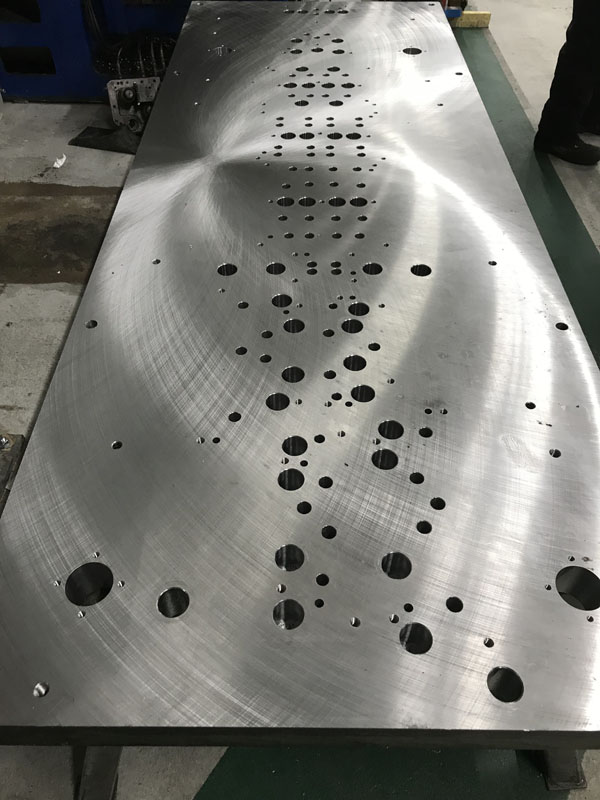
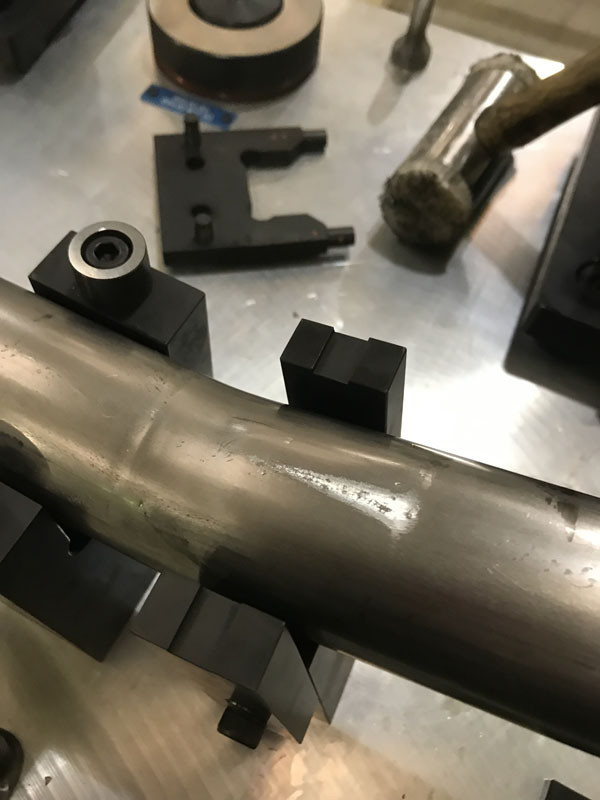
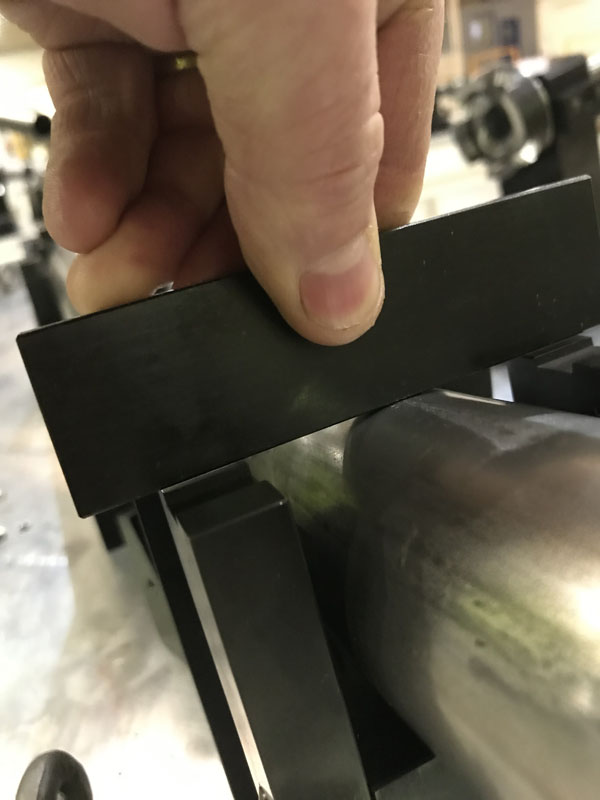
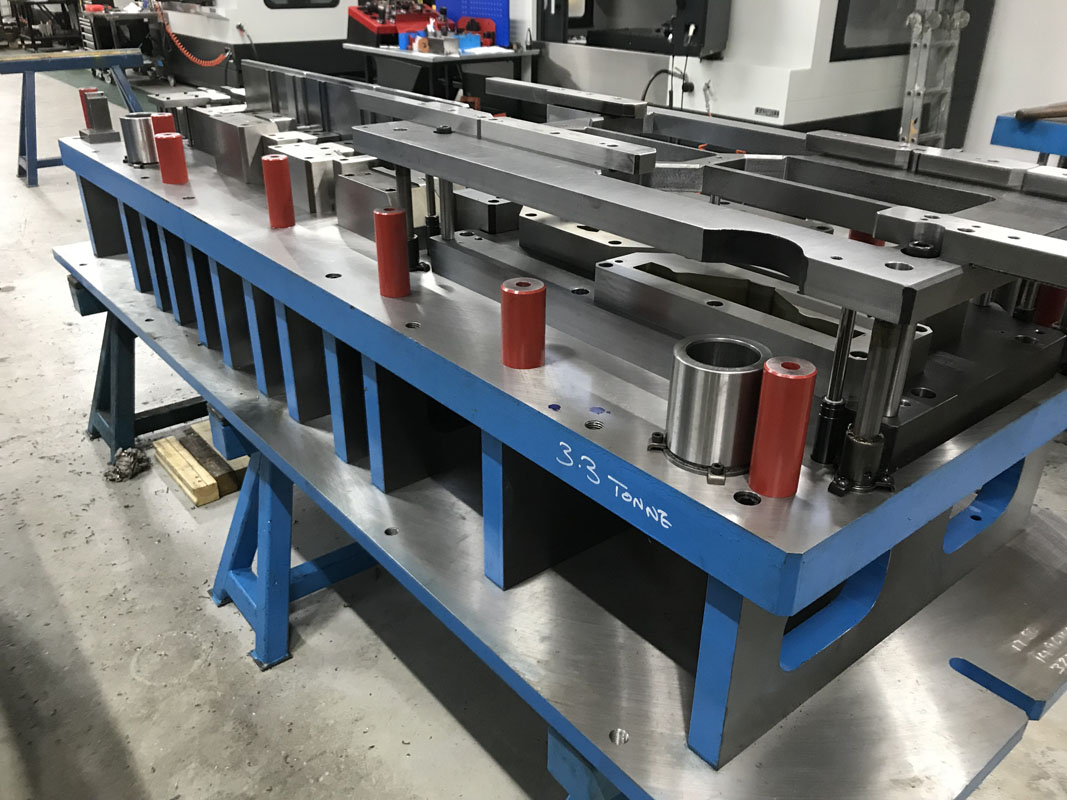
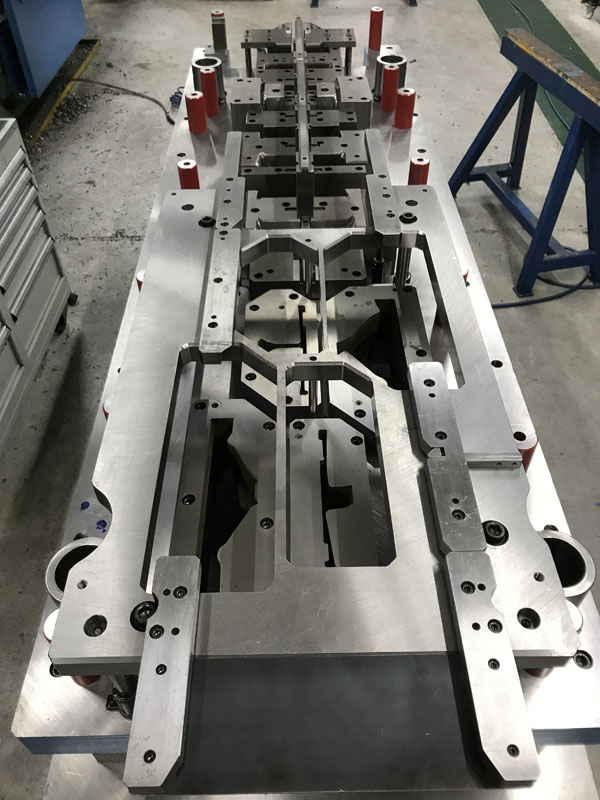
Tooling, jigs and fixtures are manufacturing aids used to position, support, guide or secure parts during production, assembly or maintenance work. They are designed to improve consistency and make repeat tasks more controlled. In engineering environments, they are commonly used to reduce setup variation, improve accuracy and help production run more efficiently.
2. What is the difference between a jig and a fixture?
A jig normally guides the tool as well as locating the part, while a fixture mainly holds and supports the workpiece in the correct position. That distinction matters because the best solution depends on the process. Drilling and hole-location work often uses jigs, whereas machining, assembly and repeat holding tasks often rely more heavily on fixtures.
3. What is tooling used for in manufacturing?
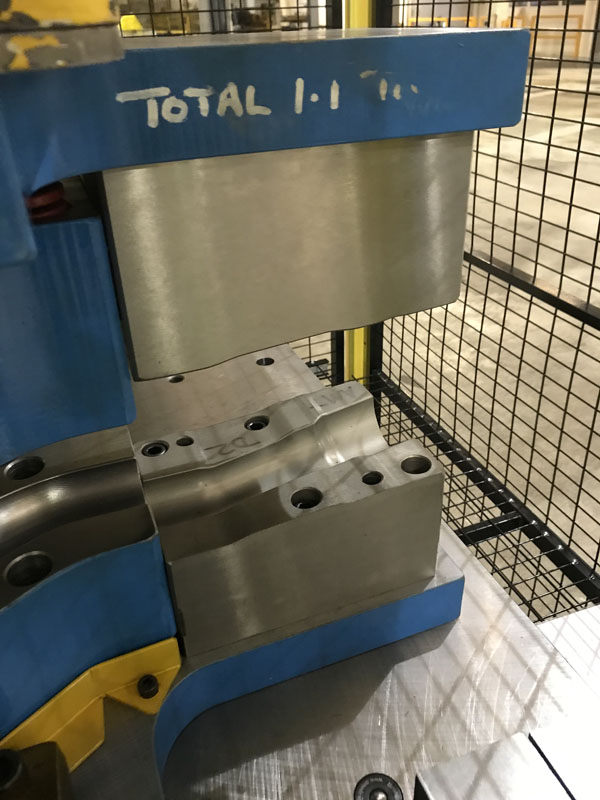
Tooling is a broad term covering the custom devices, aids and production equipment used to make manufacturing more repeatable and efficient. It can include drilling aids, location devices, clamping systems, inspection aids, forming tools and specialist supports. Good tooling helps businesses control quality, reduce wasted motion and speed up repetitive work across production or repair operations.
4. Why are jigs and fixtures important?
Jigs and fixtures are important because they improve repeatability, accuracy and production control. Instead of relying on manual measurement and positioning every time, they help create a standardised method for each task. That reduces variability between parts, lowers the likelihood of human error and can make the manufacturing process safer, faster and more predictable.
5. How do jigs and fixtures improve accuracy?
They improve accuracy by placing parts and tools in the same controlled position every cycle. That removes much of the inconsistency that comes from repeated manual setup. In practice, this helps maintain hole locations, alignment, orientation and support during production, especially on jobs where even small positioning errors would affect fit, assembly or final component performance.
6. Can jigs and fixtures help reduce downtime?
Yes, because they can shorten setup time, reduce rework and make maintenance or production tasks more repeatable. On industrial sites, downtime often grows when jobs depend on trial-and-error fitting or manual positioning. A properly designed jig or fixture can speed up routine work, improve consistency and reduce the disruption caused by avoidable errors or slow changeovers.
7. Are jigs and fixtures only used for machining?
No. Although they are widely used in machining, they are also valuable in welding, inspection, assembly, drilling, cutting, maintenance and repeat repair work. Any process that benefits from consistent part location, support or tool guidance can use them. Their role is really about process control rather than being limited to one manufacturing discipline.
8. What types of industries use tooling, jigs and fixtures?
They are used across a wide range of engineering and industrial sectors, especially where repeatability, quality control and production efficiency matter. This includes general manufacturing, fabrication, automotive, aerospace, maintenance engineering and bulk handling-related operations. Any industry producing repeated parts or carrying out repeated repair tasks can benefit from well-designed tooling and fixturing.
9. Are custom jigs and fixtures better than off-the-shelf options?
In many cases, yes, because custom solutions are designed around the exact part, process and environment. Off-the-shelf products can be useful for general holding tasks, but bespoke jigs and fixtures usually deliver better fit, repeatability and operator efficiency when the work is specialised. The more specific the task, the more value there often is in a custom design.
10. What makes a good jig or fixture design?
A good design should locate the part accurately, hold it securely, allow efficient loading and unloading, and withstand the conditions of use. It should also make the task simpler rather than more complicated. In most applications, the best jig or fixture is one that improves repeatability without slowing the operator or creating unnecessary setup steps.
11. Can tooling and fixturing improve production speed?
Yes. One of the main reasons businesses invest in tooling and fixturing is to reduce setup time and increase throughput. By removing repeated marking out, manual alignment and trial fitting, operators can complete each cycle more quickly. That improvement is often most noticeable on repeat jobs, batch production and tasks where consistency matters as much as speed.
12. Do jigs and fixtures improve quality control?
They do, because they help standardise how a task is performed from one part to the next. When the workpiece is consistently positioned and supported, the result is usually more uniform. That can reduce scrap, minimise rework and make it easier to meet tolerance or fit requirements, particularly in volume manufacturing or repeat repair operations.
13. Are jigs and fixtures useful for maintenance and repair work?
Yes, especially where the same repair or rebuild task is carried out regularly. In maintenance environments, fixtures and tooling can help hold worn parts, position replacements and control repeat operations more accurately. That can save labour time, reduce inconsistency between repairs and support a more planned, reliable maintenance approach rather than relying on one-off manual methods.
14. What materials are jigs and fixtures made from?
They can be made from a range of materials depending on the load, accuracy requirement and operating environment. Metal is common where durability and rigidity are needed, but the exact material choice depends on the duty. The main goal is to build something stable, repeatable and suitable for the manufacturing or maintenance process it will support.
15. What information should you provide when requesting a jig or fixture?
It helps to provide part drawings, dimensions, tolerance requirements, process details, production volume, loading method and the exact task the jig or fixture needs to support. Information about operator access, clamping, machine type and repeat frequency is also useful. The more clearly the application is defined, the easier it is to produce a practical and effective solution.
Can We Help?
We would like to offer you a free site survey with a report and recommendations. We offer a pro rata payment plan where if you accept our recommendation you only pay the full price when we achieve our promised results.
We can work with you to achieve the planned maintenance program by making components last longer by the strategic use of hard metals/ceramics.