
Special Steels & Wear Plate

Home » Products » Special Steels & Wear Plate

Hoverdale’s Special Steels Division offers a wide range of products, purpose-built to improve efficiency & reduce downtime.

The range of applications for our hard, wear resistant steel plate and chromium carbide lining includes hardfacing of hoppers, chutes, bunker transfer points, and crushers. And our design & manufacturing service covers everything from tungsten carbide pan mixer blades to digger and dozer cutting edges and blades.

Special Steels & Wear Plate

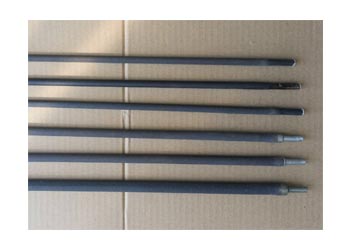
Hard-Facing Electrode Rods

Hoverdale's Tubular Hard Facing Electrodes are available in six different specs to suit any requirements.
Special Steels & Wear Plate

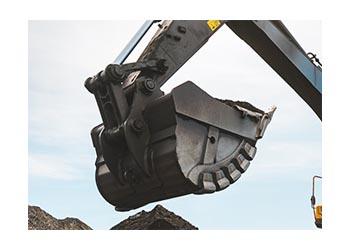
Special Steels

Improve efficiency, reduce downtime & make your life easier. The toughest special steels on the market.
Special Steels & Wear Plate

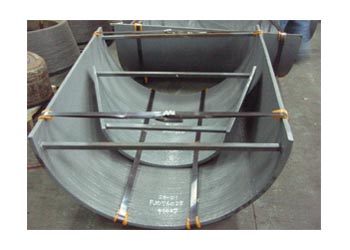
Special Steels & Wear Plate Applications

See the most common uses of our overlay plates and which products suit which jobs.

Frequently Asked Questions

1. What are special steels and wear plate?
Special steels and wear plate are engineered materials used where abrasion, impact or sliding contact would wear standard steel too quickly. In practice, this category can include abrasion-resistant plate, overlay plate, chromium carbide lined products and hardfacing materials designed to protect high-wear areas and extend component life in heavy industrial environments.
Wear plate is used to protect parts that regularly suffer material loss from friction, impact or abrasive product flow. Typical uses include hoppers, chutes, transfer points, crushers, buckets, mixer blades, screw conveyors and other bulk handling components where unprotected steel would wear out too quickly and increase maintenance frequency.
Wear plate often refers to through-hardened abrasion-resistant steel such as 400, 450 or 500 Brinell grades, while overlay plate usually combines a tough base plate with a very hard wear-resistant surface layer. Overlay products are often chosen for severe abrasion zones, whereas standard wear plate is widely used where a balance of hardness, toughness and fabrication is needed.
Chromium carbide overlay plate is a composite wear product that combines a weldable steel base with a hard overlay designed to resist abrasion. It is commonly used in demanding industrial areas such as chutes, hoppers and material handling equipment, where surface wear is intense and a standard plate may not last long enough in service.
Wear plate is widely used in quarries, mines, cement plants, steel works, docks and other heavy-duty industrial sites. Common applications include chute overlay, hopper overlay, impact plates, vibrating feeder trays, pan mixer liners, screw conveyors, digger buckets and transfer point areas where constant product movement creates repeated wear and costly maintenance issues.
Wear in bulk handling equipment is usually caused by abrasion, impact and sliding contact from moving materials. The highest wear often appears at transfer points, chutes, hoppers, crushers and feed zones where material changes direction, drops under force or continually rubs against the same surface. These are the areas where special steels and liners can make the biggest difference.
These numbers normally refer to the Brinell hardness level of abrasion-resistant plate, with common grades including 400, 450 and 500. In simple terms, as hardness increases, wear resistance generally improves, but fabrication can become more demanding. That is why the best grade depends on the actual mix of abrasion, impact, toughness and workshop requirements.
Not always. A harder plate can offer better abrasion resistance, but higher hardness can also make cutting, welding and forming more difficult, and some applications still need enough toughness to cope with impact. The right material is usually the one that matches the real wear mechanism, not simply the one with the highest hardness number.
Hardfacing is the application of a wear-resistant alloy onto a metal surface to rebuild or protect it. It is used both to restore worn parts and to protect new components before they go into service. The aim is to improve resistance to wear and reduce the frequency of shutdowns, repairs and full part replacement.
Hard-facing electrode rods are used to deposit a wear-resistant layer onto components exposed to abrasion or combined wear conditions. Common applications include mixer blades, worn screws, blast furnaces, chute liners, wear plates and screw conveyors. Different rod types are selected according to the service demands, hardness needed and the type of component being rebuilt or protected.
Yes, in many cases they can. Hardfacing is widely used to rebuild worn metal parts back toward their original dimensions or to add a more durable overlay to the most vulnerable areas. This approach is often chosen when the underlying component is still sound and the goal is to cut replacement cost, reduce downtime and extend service life.
The biggest gains usually come from parts that see repeated abrasive contact, impact loading or constant product flow. That often includes chute liners, hoppers, wear plates, screen areas, cutting edges, mixer parts, feeder trays, conveyor-related wear zones and earthmoving attachments. These are the kinds of components where material choice can directly affect uptime and maintenance cost.
Yes, many wear plate products can be cut, welded and fabricated, but the process should be matched to the material grade and hardness. Through-hardened abrasion plate is commonly fabricated in workshops, while harder products and overlays may need more care during cutting, bending or welding because wear resistance and fabrication ease do not always increase together.
They should usually be reviewed when wear starts affecting performance, reliability or safety, rather than waiting for full failure. Signs can include rapid thinning, loss of protection at transfer areas, repeated patch repairs, rising maintenance time or damage spreading into the parent structure. Planned replacement is normally more cost-effective than allowing a wear zone to fail unexpectedly.
It helps to provide the application, material being handled, wear pattern, dimensions, thickness, current material grade, expected service life and whether the issue is mainly abrasion, impact or both. Photos, drawings and details of the component location are also useful, because correct selection depends on matching the steel or overlay to the exact duty it needs to handle.

Can We Help?

Our products are used in 5 continents and our expertise spans the globe.
Book a site visit now! The savings will more than pay for your time or your money back.

MATT BEVERLEY

A time served Mechanical engineer Matt’s background includes many high-profile projects within the Automotive Industry: The Rolls Royce Phantom, Rolls Royce Cullinan, Spyker Le-Mans racing teams, Bentley, Aston Martin, and Airbus A380. This history and knowledge of complex manufacturing and engineering projects have been transferred and further developed into the bulk material handling sector. Matt has work in Europe, North America, Indonesia, and China

He joined the bulk solids and bulk handling industry in 2019 as Managing Director of Hoverdale UK Ltd and subsequently completed a Management buyout in July 2020. The business has grown yearly, increased employment, its customer base, and worldwide reputation, and disrupted the market with groundbreaking innovative technology. Since Matt took over Hoverdale, the company has filed four patents for innovation; one was granted in 2023 for a design to improve bulk handling. The success had been driven by delivering tailored solutions to the waste recycling sectors that keep material flowing out and money flowing in.

Awards Include

  • 2024 – Shapa company of the Year
  • 2024- Shapa Innovation in Technology
  • 2024- MHEA Engineer of the year
  • 2021 – MHEA Innovation of the year
  • 2021- IMechE Innovation award

Current Positions Include.

  • Group Chairman Hoverdale UK Ltd
  • President (MHEA) Material Handling Engineers Association
  • Vice Chairman: IMechE Bulk Material Handling Committee
  • Council Member: (SHAPA) Solids Handling & Particle Association
  • Member: Chartered Management Institute

Matt has been happily married to Julie for 22 years and has 4 children, 3 of which are involved within the Hoverdale group of companies. He is an RFU level 2 qualified coach and referee having been in several head coaching roles at various age groups from under 6’s to adults for his local team Nuneaton RFC. He believes in the core values that rugby teaches of Teamwork, Respect, Enjoyment, Discipline, Sportsmanship and try’s to carry this through in his day to day business activities. He is passionate at brining the next generation of young, diverse engineers into the sector through promotion of apprenticeship scheme and further education routes.

DAVID BARTER

David is an experienced leader, with a background covering Operations, eCommerce, Finance, Compliance, HR and IT. His career spans Banking, Retail and Engineering, spending the majority of his career working for ALDI as they grew to become 4th largest supermarket in the UK, including seven years on their UK board as Managing Director of IT and eCommerce.

David joined Hoverdale’s Senior Management Team in 2023 to seek a fresh challenge in a completely different industry sector. He has applied his approach to Process Improvement, Efficiency, Customer Service and Teamwork to great effect during Hoverdale’s sustained growth.

Married to Jane, with three adult sons between them, David volunteers on the board of the Nottingham Playhouse theatre as well as his local rugby and football clubs. Any spare time he spends enjoying walks with their Golden Retriever, Buzz, who is also regularly seen in the Hoverdale office.

BEN DUCHESNE

Ben is a time serviced field service engineer in the busy waste and recycling sector, who’s career moved into to managing service teams and beyond. Originally beginning his career with a HGV repair and maintenance apprenticeship with IVECO, from there travelling and working in multiple countries moving towards waste processing shredders.

Ben joined the Hoverdale team in September 2024 seeking to apply his extensive knowledge to a new area. His values and ethics fit perfectly within the Hoverdale ethos.

He is happily married to Kristina, with 4 wonderful young children; 14, 11, 8 and 5. We the children he doesn’t get much spare time. He is a family man, who enjoys spending as much time with them as possible.